
What is Positive Reinforcement in Dog Training?
Published Jan 29, 2025
Imagine being able to communicate with your dog in a way that helps you achieve the positive and fun behaviors you want, while forming a lifelong and rewarding connection with your dog.
Positive reinforcement is a modern, science-based, and fear-free way of training that is not only a highly effective form of communication with your dog but is also simple and easy to implement. It can be done by all age groups and by people of different abilities.
What is positive reinforcement dog training?
Positive reinforcement dog training means rewarding your dog after a desired behavior so that behavior is more likely to happen again. Rewards can include treats, toys, play, praise, or access to something your dog enjoys. The goal is to clearly communicate which behaviors you want your dog to repeat.
Positive reinforcement is a powerful tool for shaping and improving your dog’s behavior. Our dogs live in a human world, and they rely on us to help them learn what’s expected of them. Through positive reinforcement training, we encourage and reward them for the behaviors we want to see repeated. This allows your dog to be an active, willing and eager participant in the learning process. Your dog will thank you as you become the reason for the wag in their tail.
How Positive Reinforcement Works
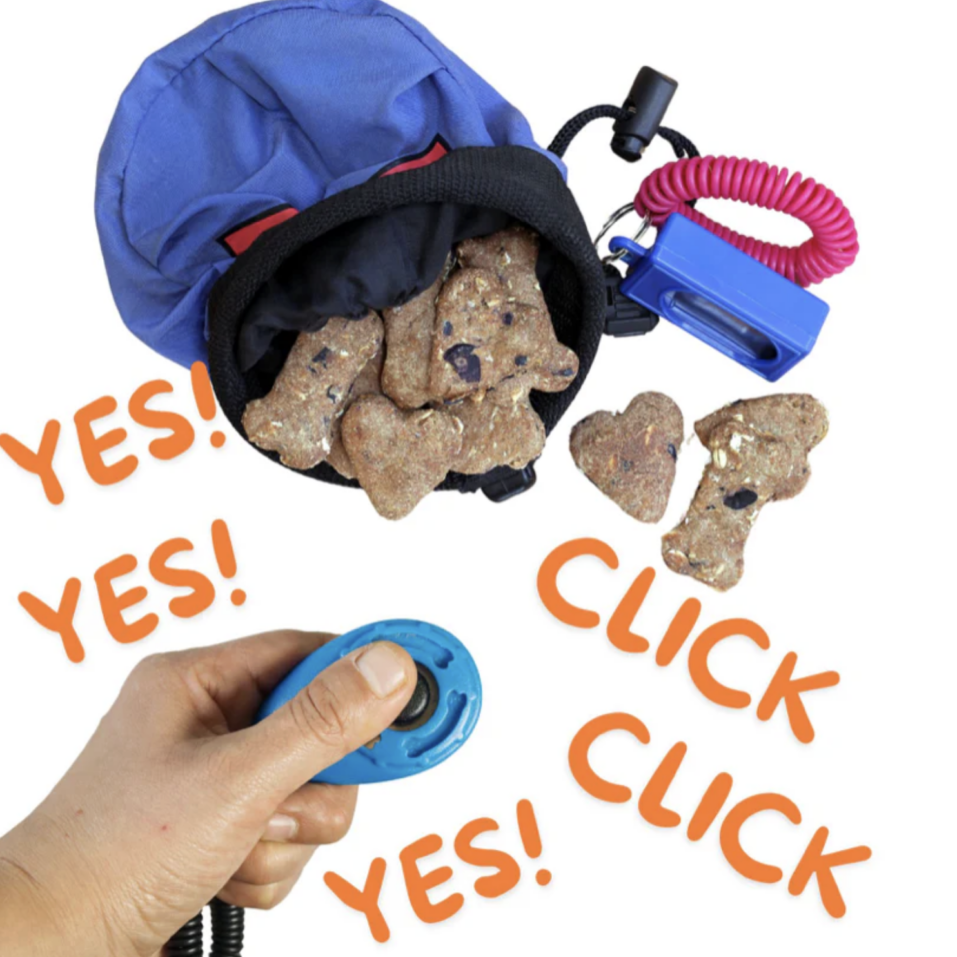
Positive reinforcement is simple: when your dog does something you want to see again, you immediately follow that behavior with something your dog values. That might be a treat, a favorite toy, a game of tug, praise, or an opportunity to do something they enjoy.
For example, if your dog sits when you ask and you immediately reward the sit with a treat, sitting has produced a desirable outcome. With consistent practice, your dog becomes more likely to repeat that behavior.
The key is timing, consistency, and choosing rewards your dog actually values.
Frequently Asked Questions
How does positive reinforcement dog training work?
Positive reinforcement works by immediately adding something your dog values after a desired behavior. When behaviors consistently produce rewarding outcomes, dogs are more likely to repeat those behaviors in the future.
What rewards can I use for positive reinforcement dog training?
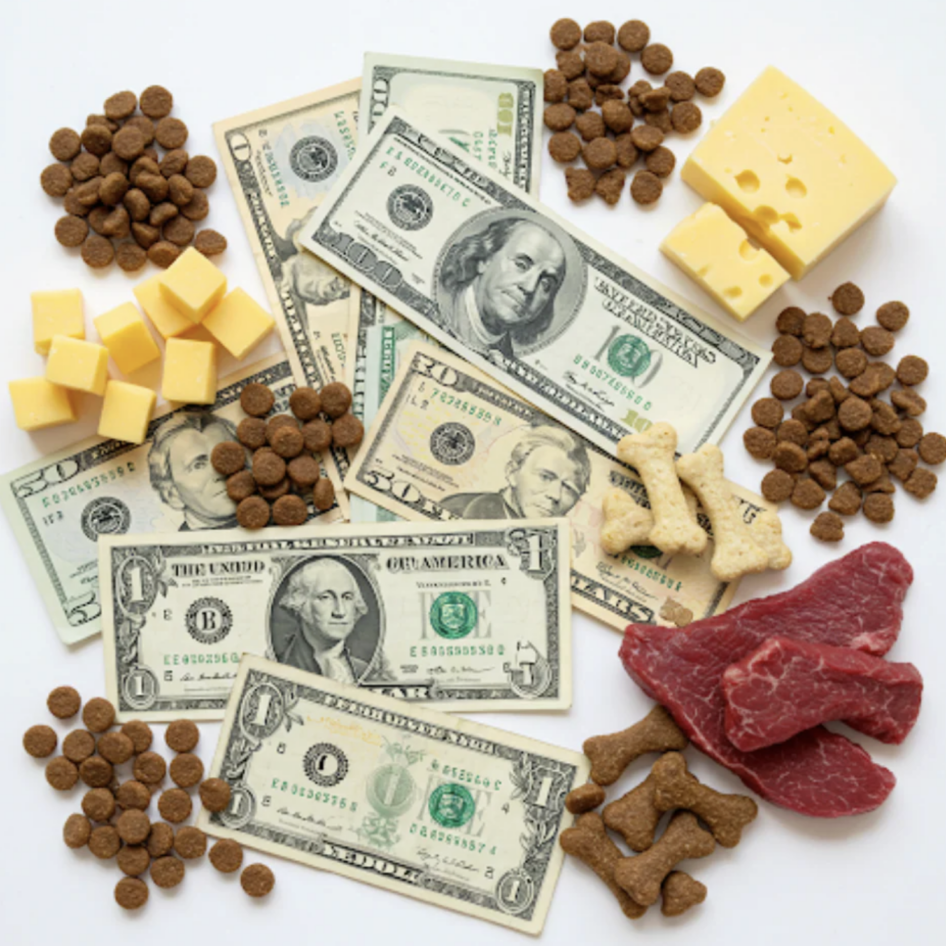
Rewards can include food, treats, toys, play, praise, attention, or access to something your dog wants. The best reward depends on what your individual dog finds motivating and how difficult the behavior or environment is.
Is positive reinforcement the same as giving dogs treats?
No. Treats are a common and convenient reward, but positive reinforcement can involve anything your dog values. Food, toys, play, praise, attention, and environmental rewards can all reinforce behavior.
Can positive reinforcement be used to change unwanted dog behavior?
Positive reinforcement can be used to teach and strengthen alternative behaviors you would rather your dog perform. Instead of focusing only on stopping an unwanted behavior, training can teach your dog what to do instead and reward that desired response.
Does positive reinforcement work for puppies and adult dogs?
Yes. Positive reinforcement principles can be used when training puppies, adolescent dogs, and adult dogs. Training should be adapted to the individual dog's experience, environment, motivation, and ability to learn in that situation.
Do I have to reward my dog forever?
New or difficult behaviors generally need frequent reinforcement while they are being learned. As a behavior becomes well established, rewards can become more varied and less predictable, while continuing to reinforce the behavior often enough to help maintain it.

Dog Training
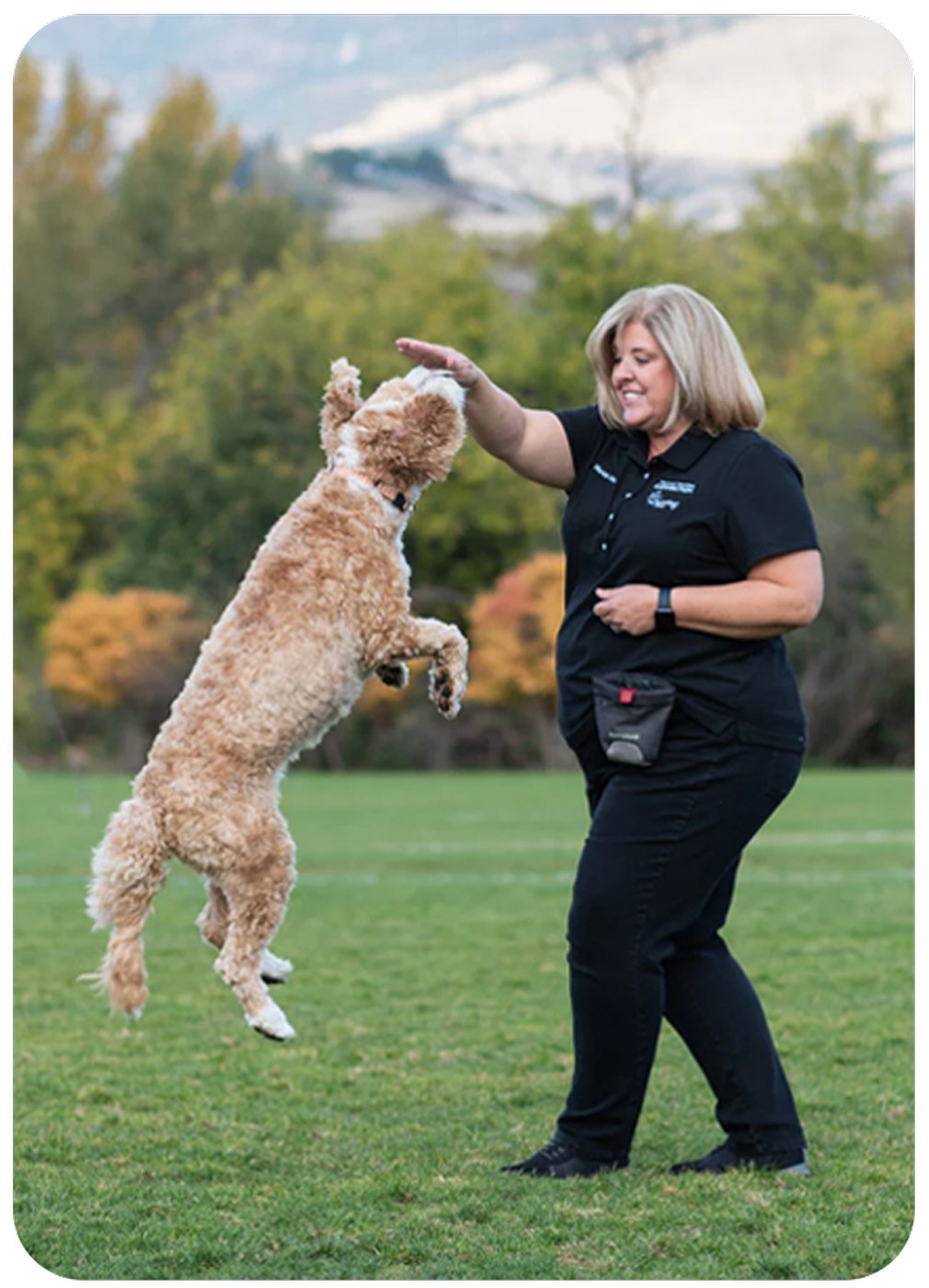
Let’s get started on a joyful tomorrow with your dog.
Dog Treats

Motivate your dog with our tasty, high quality, human-grade treats.
Dog Toys

Challenge and entertain your pup with our hand-made toys.