
Marker Training for Dogs: How to Communicate Clearly With Your Dog
Published Apr 5, 2025
Have you ever wondered how to clearly communicate with your dog while they’re learning something new? How can your dog know the exact moment they’ve done what you wanted? Let’s dive into the exciting world of marker training, a method that makes learning a breeze for you and your pup!
What is marker training for dogs?
Marker training is a positive reinforcement dog training technique that uses a consistent sound, such as a clicker or a word like “yes,” to identify the exact moment your dog performs a desired behavior. The marker is followed by a reward, helping your dog understand which behavior earned reinforcement.
Remember the Hot/Cold Game?
Think back to when you played the hot/cold game as a kid. You’d try to find a hidden object while your friend would tell you if you were getting “colder” (moving away) or “hotter” (getting closer). This simple feedback helped you figure out where to go next, right? Marker training works similarly, but instead of guessing, your dog receives clear signals about their performance!
So, How Does Marker Training Work? Here’s a step-by-step guide to get you started:
- Choose Your Markers:
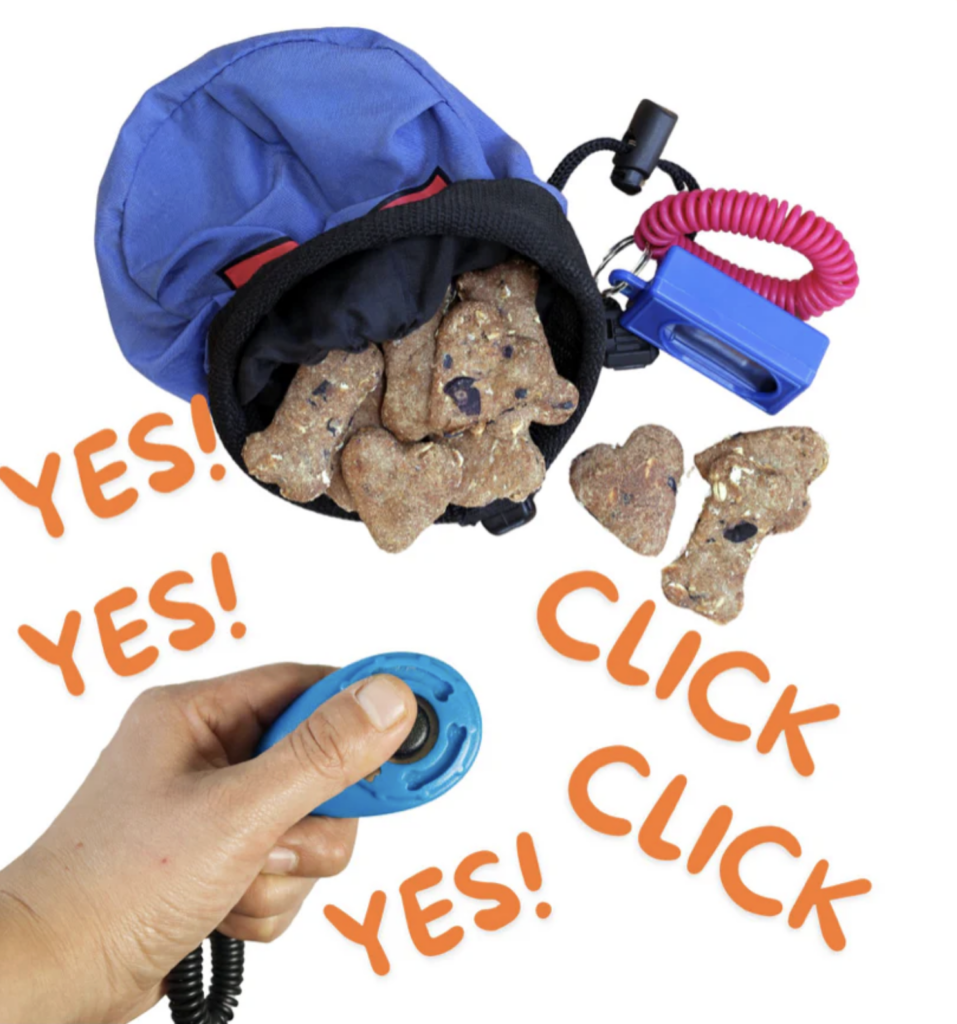
- Clicker: A small device that creates a distinct “click” sound. (shown in photo)
- “Yes” is a fun word that’s less common in daily conversations with your dog. It’s different from the usual “good,” making it more exciting for them!
- The key is to use a marker your dog doesn’t hear often so they associate it with something special.
2. Pair the Marker with Rewards:
- Pick something your dog loves, like tasty treats.
- Start by saying “yes” or clicking, then immediately offer them a small reward (like a pea-sized treat). Repeat this eight to ten times so they learn that the marker means something good follows!
3. Mark the Moment:
- Ask your dog to do a simple behavior they already know, like “sit.”
- Watch closely for the precise moment their bottom touches the ground—this is when you mark it with your click or “yes!” After marking, give them their reward within 3-4 seconds.
- NOTE: If your dog doesn’t perform the behavior, you don’t mark or reward. This helps the dog understand the difference between the desired behavior earning a reward and the absence of the behavior not earning a reward.
Timing is Everything!
Good timing can make all the difference! Here are some examples:
– “Down” -Mark when their front elbows hit the floor, then reward!
– “Come” -Mark when they reach you, then reward!
Training Tips for Success:
- Start Simple: Begin with basic skills in a quiet space to avoid distractions.
- Keep Sessions Short: Aim for 5 to 10 minutes of fun! Short, engaging sessions keep both you and your dog engaged.
- Make It Enjoyable: If you or your pup are stressed or bored, it may be time to pause. Keep things light-hearted!
- Be patient: Learning takes time. Everyone makes mistakes, and that’s totally okay! If you accidentally mark a moment incorrectly, you should reward it anyway. Think of the marker as a contract. If you’re marking and not giving a reward, you will quickly devalue the meaning of the marker, and your dog might become frustrated, leading to slower learning.
- Observe Your Pup: Dogs communicate primarily through body language. Please pay attention to how your dog reacts and adjust your training based on their cues.
- Avoid Training When Unwell: If your dog seems tired, disinterested, or unwell, it’s better to wait for a better time.
Why Marker Training Works:
Marker training speeds up the learning process by providing precise feedback. Your dog will understand exactly when they’ve done a good job, making the training experience fun and rewarding for both of you!
So grab your clicker or get ready to say “yes” and start unlocking your dog’s potential today! Happy training! 🐾
Frequently Asked Questions
How does marker training work for dogs?
Marker training gives your dog precise feedback about the behavior you want. When your dog performs the desired behavior, immediately use your marker and then provide a reward. With repetition, your dog learns that the marker identifies a successful behavior and predicts reinforcement.
What is a marker word in dog training?
A marker word is a short, consistent word such as “yes” that tells your dog the exact moment they performed the desired behavior. After establishing the marker, follow it with a reward so it continues to have meaning for your dog.
Is a clicker or marker word better for dog training?
Both clickers and marker words can provide clear feedback during dog training. A clicker produces a distinctive, consistent sound, while a verbal marker such as “yes” is convenient because you always have it with you. Consistency and good timing are more important than which marker you choose.
How do I teach my dog a marker word?
Choose a consistent marker such as “yes,” say the word, and immediately give your dog a small treat. Repeat this several times so your dog learns that the marker predicts a reward. You can then begin using it to mark desired behaviors.
When should I mark a behavior during dog training?
Mark the behavior at the exact moment your dog does what you want. For a sit, mark when your dog's bottom reaches the ground. For a down, mark when the elbows reach the floor. Precise timing helps your dog understand exactly which behavior earned the reward.
Do I have to give my dog a treat every time I use a marker?
Yes. Once you use your established training marker, follow it with the promised reward. Consistently reinforcing the marker helps preserve its meaning and prevents frustration or confusion during training.

Dog Training
Let’s get started on a joyful tomorrow with your dog.
Dog Treats
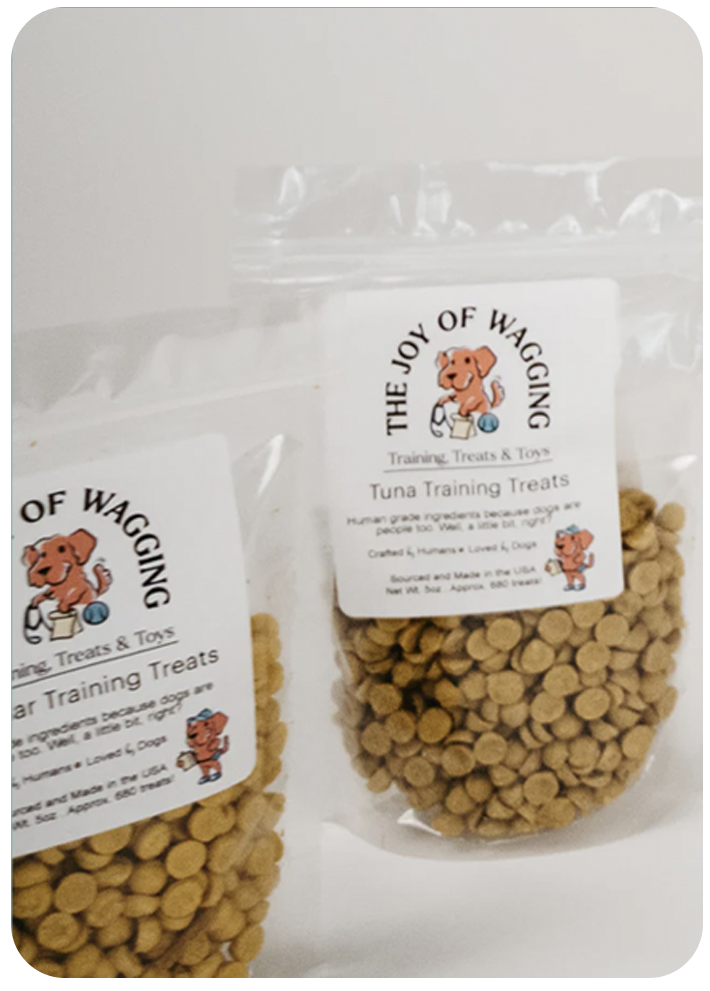
Motivate your dog with our tasty, high quality, human-grade treats.
Dog Toys
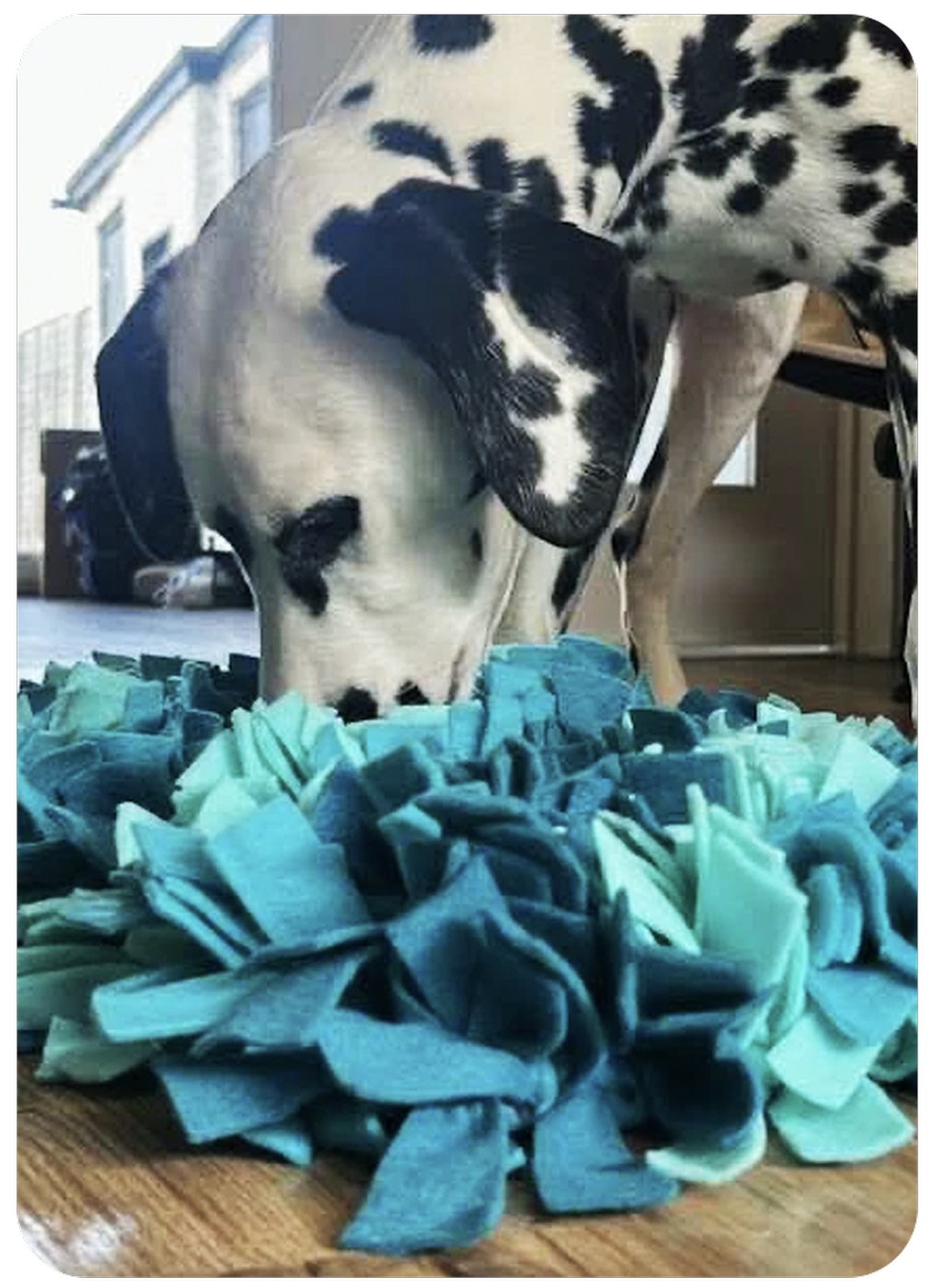
Challenge and entertain your pup with our hand-made toys.